A few years ago, a buyer saw your listing, liked the photos and rang the office. The research came later, usually after the viewing, often after the offer.
That order has flipped. More buyers now do their homework first. They look up what the house next door sold for. They check the floor area on the EPC, work out the price per square foot and compare it with the street. Some run the listing through pre-offer property reports that pull sold prices, comparables and local risks into one page, and that’s before they’ve spoken to you.
For agents, this changes what a good listing photo needs to do.
The photos and the facts now get compared side by side
When a buyer has the data open in one tab and your listing in the other, every mismatch stands out:
- A wide-angle lens that makes a 9ft bedroom look like a master suite, when the floor plan says otherwise
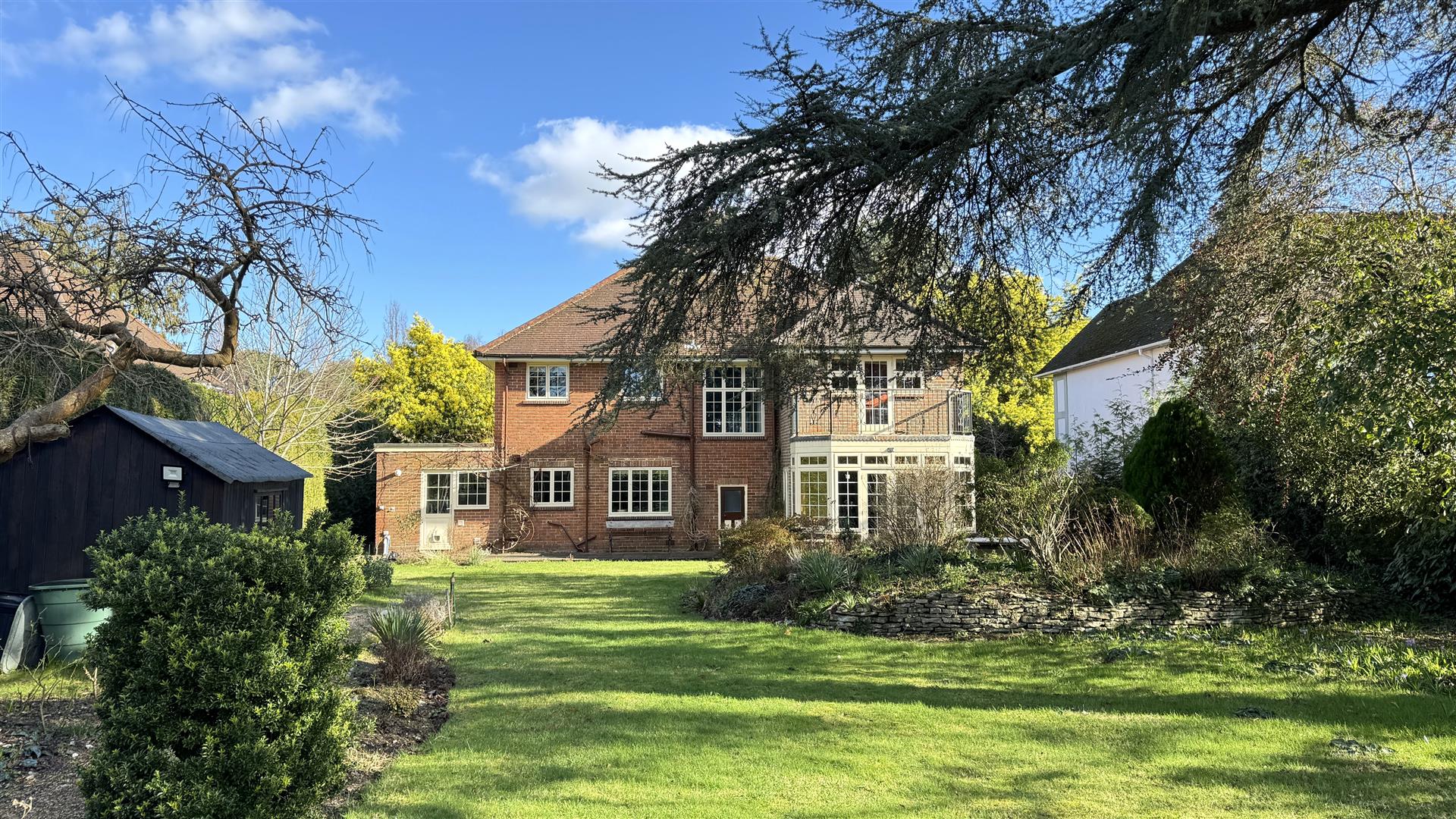
- A garden shot cropped to hide the substation, when the buyer has already looked at the street on a map
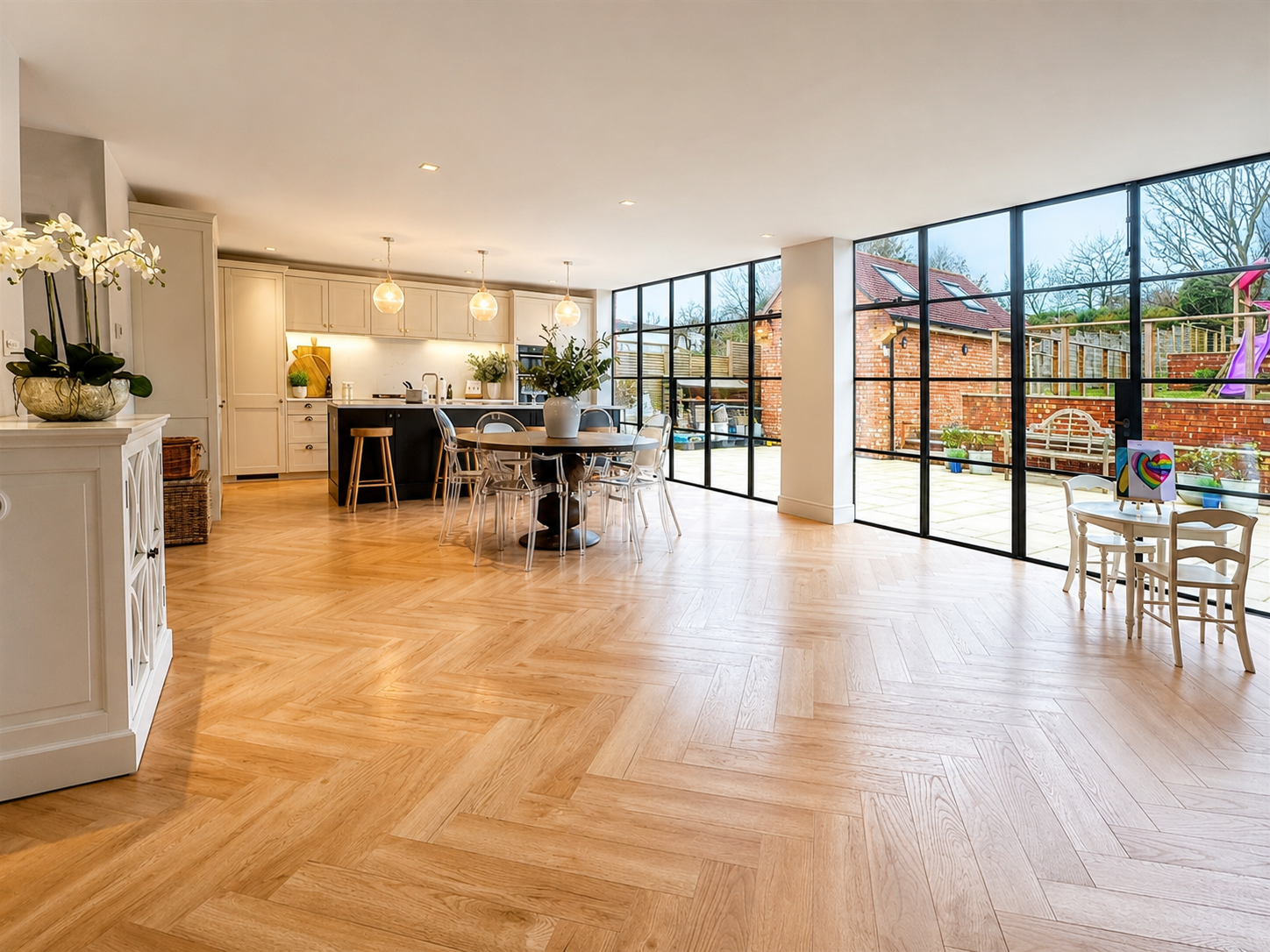
- A bright, airy kitchen in the photos and an EPC rated F with single glazing
None of these is a lie on its own, but together they make a buyer suspicious. Suspicious buyers either don’t book the viewing or turn up looking for a reason to knock the price down.
As agents, we used to worry about photos being too plain. Now the bigger risk is photos that don’t survive a buyer’s ten minutes of research.
What buyers actually forgive
The good news is that buyers aren’t put off by photos looking good. They’re put off by photos looking dishonest. There’s a clear line:
Fine, and expected:
- Brightening a dark room so you can see what’s in it
- Straightening walls and verticals that a phone camera has bent
- Replacing a flat grey sky with a natural blue one
- Correcting colour so white walls look white, not yellow
Where it starts to go wrong:
- Removing permanent features such as pylons, cracks, damp patches or a neighbour’s extension
- Changing the size or shape of a room
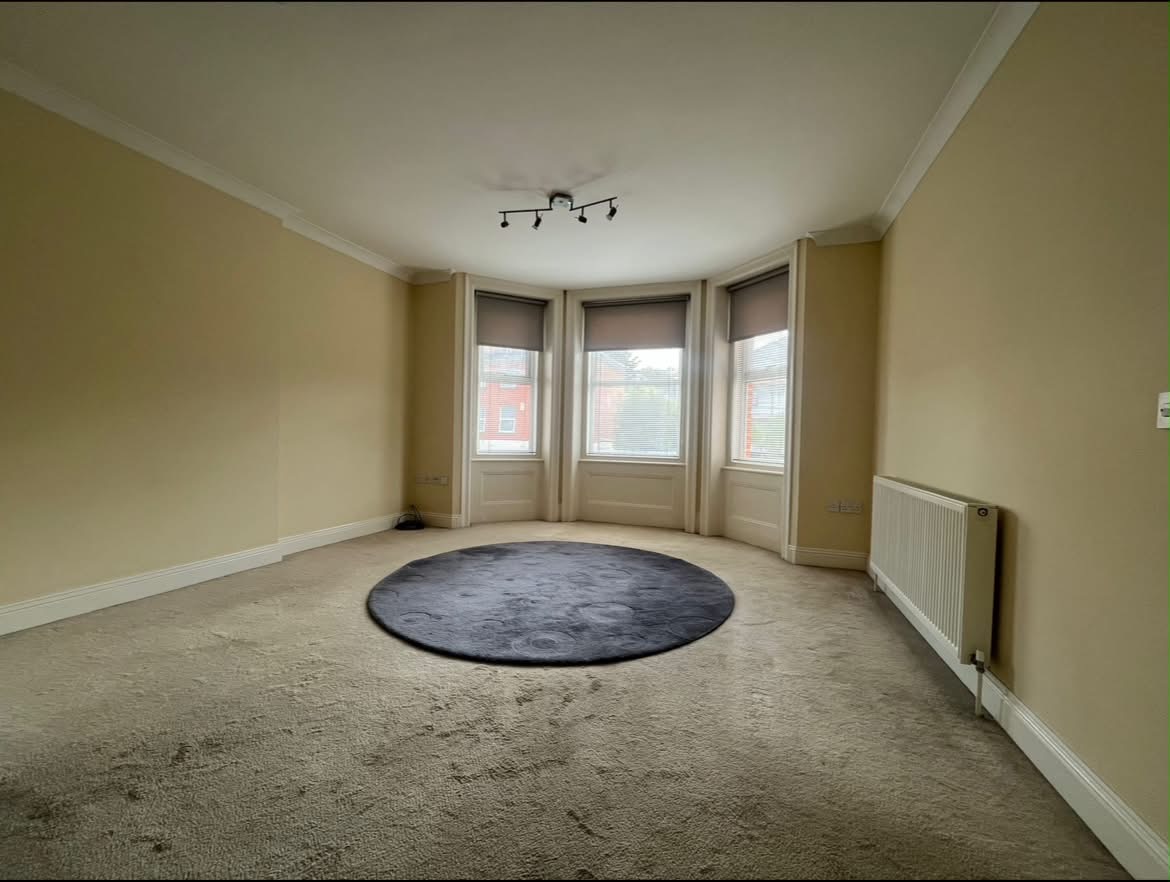
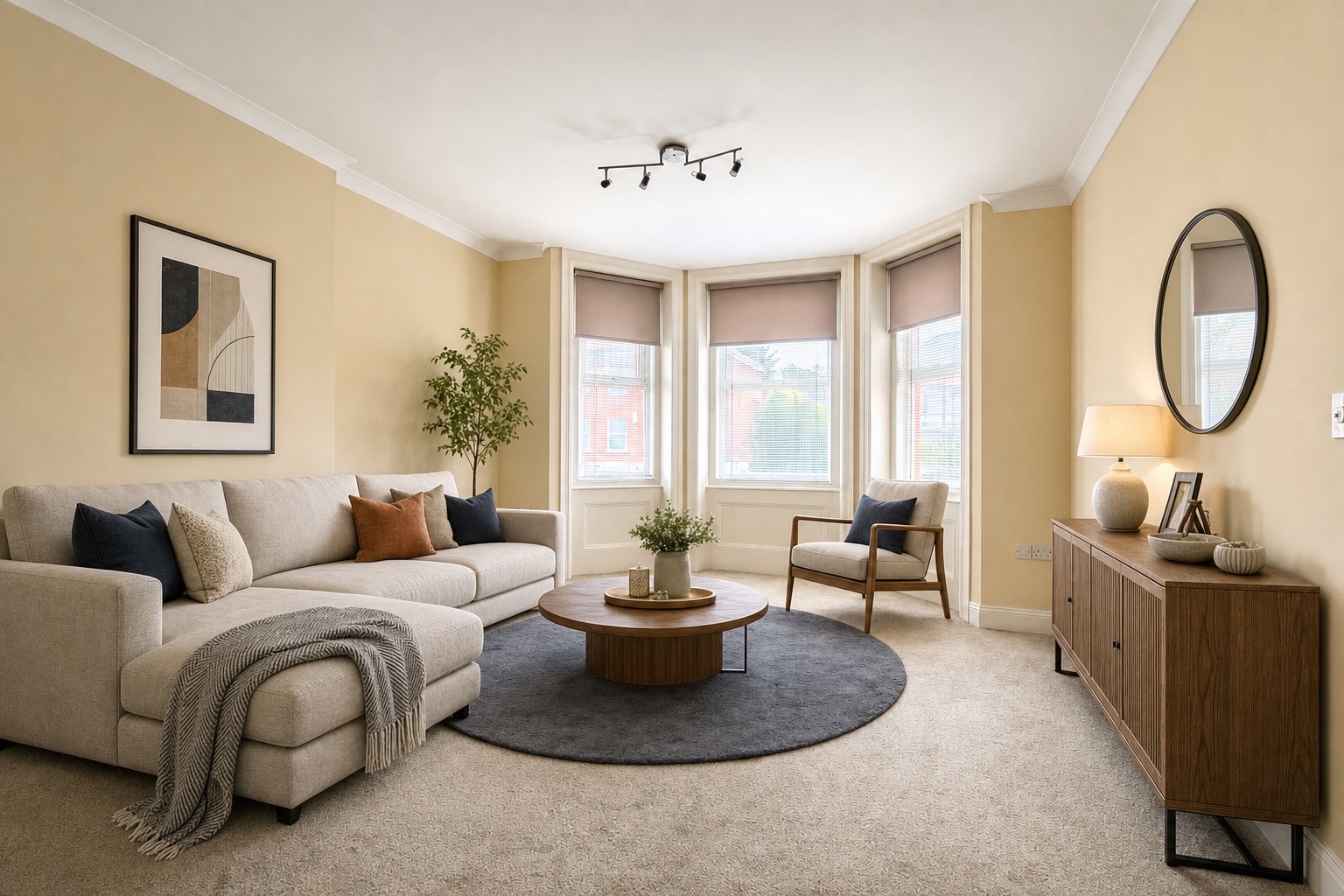
- Virtual staging that isn’t labelled as staged
This isn’t only about buyer trust. Under the Digital Markets, Competition and Consumers Act 2024, the CMA can act on misleading property advertising directly. An edited photo that hides a material fact is the kind of thing that gets complained about.
Make the photos match the story the data tells
The listings that do best now are the ones where the photos, the description and the numbers all agree. A few habits help:
- Shoot every room, then show the honest best angle. Stand in the doorway, keep the phone level and shoot at chest height. It reads as true to size, so it stands up when the buyer checks the floor plan.
- Fix the light, not the room. Most phone photos fail on exposure, not composition. Correcting dark rooms and window glare makes the biggest difference and changes nothing about the property itself.
- Label staged photos. If you virtually furnish an empty room, say so in the caption. Buyers like seeing what a space could look like. They don’t like finding out at the viewing.
- Lead with what the data can’t show. Buyers can look up the sold price and the flood map themselves. They can’t look up how the light falls in the kitchen at 4pm. That’s what your photos are for.
The upside for agents
Buyers who research first are better buyers. By the time they book a viewing they already know the price is in the right range, so viewings are better quality and offers come in closer to asking.
Your job is to make sure the listing holds up to that research. Clean, honest, well-lit photos do that. Heavily edited ones don’t.
ReShot fixes exposure and verticals on phone photos in a few minutes, and it’s built to keep the room as it really is. Try your first photo free.
See it for yourself — free first photo
Upload a phone photo from your last valuation and get it back straightened, brightened and colour-corrected in under 5 minutes. No subscription required to start.
Try ReShot free →