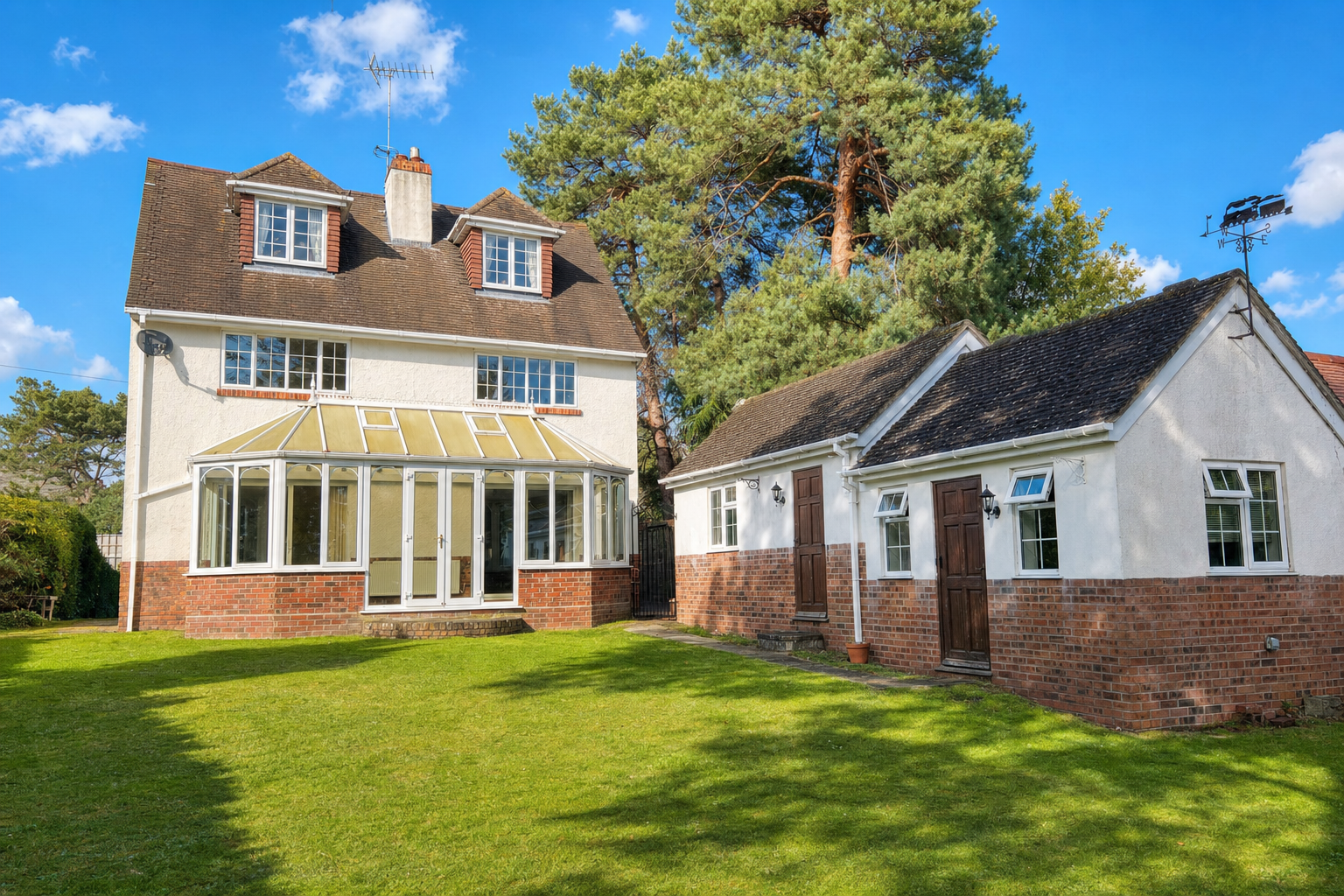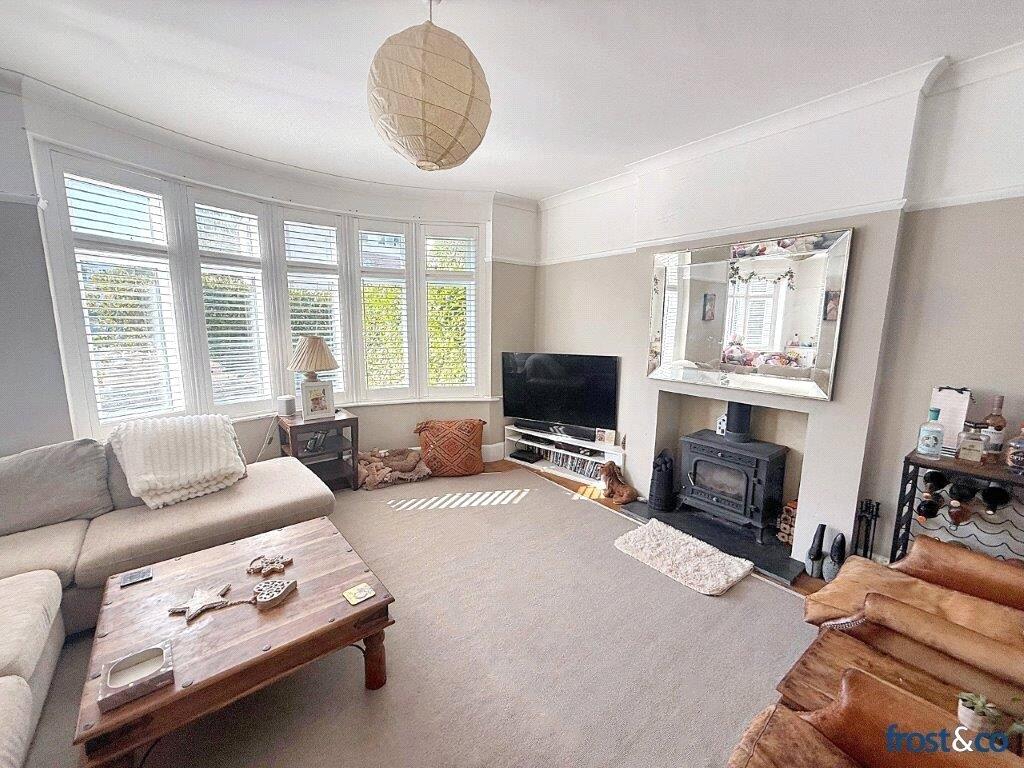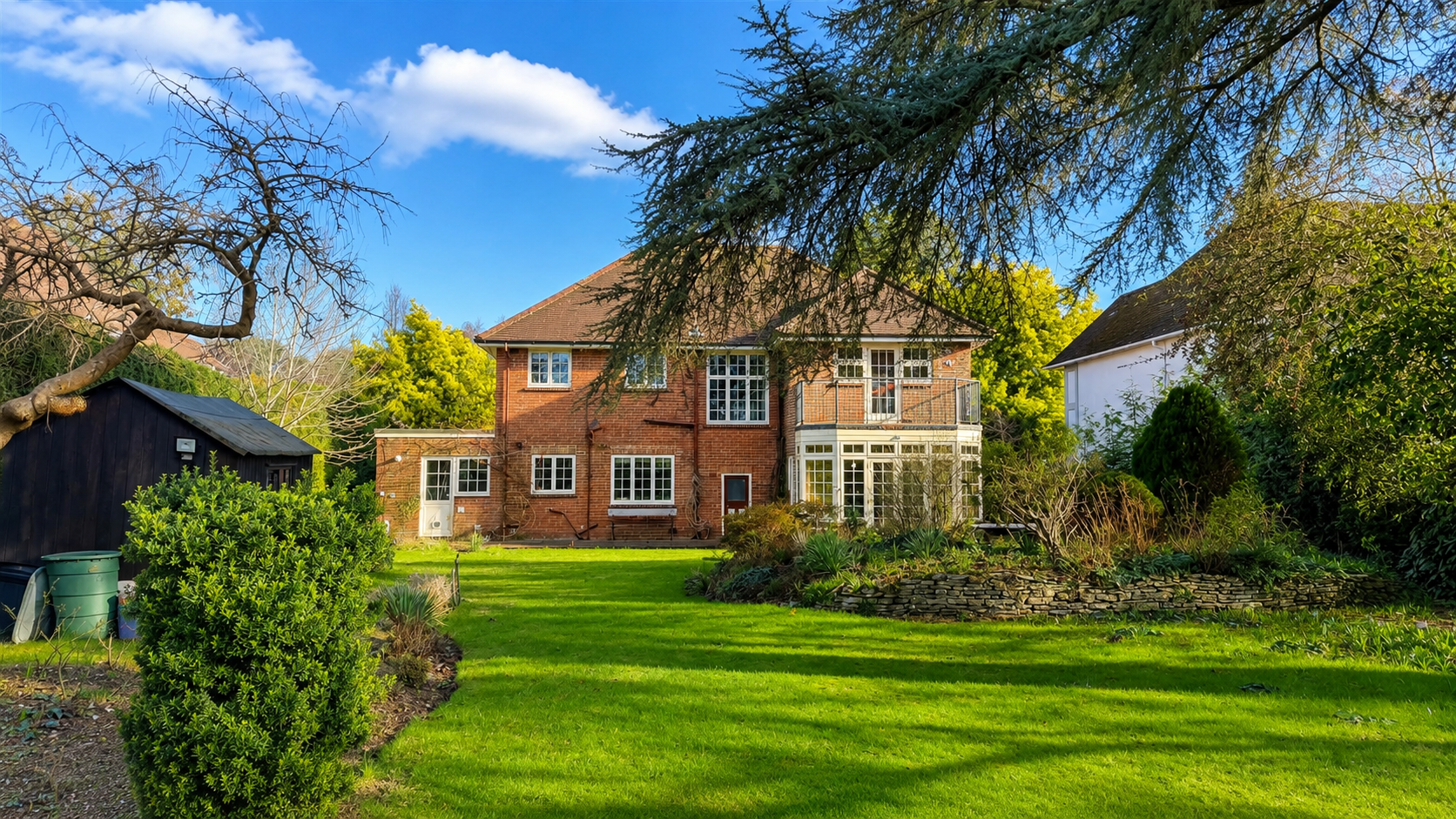
When a buyer starts their search on Rightmove, they make a snap judgement about every property within about 3 seconds. The decision to click — or scroll past — is made almost entirely on the lead photo. This isn't opinion. It's how the platform works.
So do better photos actually lead to faster sales and higher prices? Let's look at what we know.
Photos drive viewings — viewings drive offers
Portal listings live or die on the lead photo: a buyer scrolling Rightmove or Zoopla decides whether to click in seconds, and darker or lower-resolution images lose that click. More clicks means more enquiries. More enquiries means more viewings. More viewings means more competing offers.
The link between photo quality and sale price isn't always direct — it runs through viewing numbers. A property that generates 3 viewings in the first week is in a very different position to one that generates 12.
The "days on market" effect
US research from Redfin found that homes photographed with a professional-grade camera tended to sell for more relative to their list price, and in most price bands sold faster than comparable homes shot on a basic camera. UK conditions differ, but the underlying psychology doesn't: buyers form opinions quickly, and a bad first impression is hard to recover from.
More practically: every week a property sits on the market, buyers assume something is wrong with it. A slow start — often caused by poor presentation — creates a spiral that's hard to break without a price reduction.
The real cost of bad photos: If poor photography adds even 2 extra weeks to your average time on market, and your typical vendor relationship is worth £4,000–8,000 in fees — the investment in quality photos is obviously worth it.
What counts as "professional" now?
In 2020, "professional" meant booking a photographer. In 2026, buyers scrolling Rightmove aren't judging the camera; they're judging whether the walls are straight, the room is bright and the sky is blue. Those are things a good phone photo can now have corrected after the shoot, provided it was taken properly in the first place.
The key elements buyers notice are:
- Bright, well-lit rooms — dark rooms make properties feel smaller and less welcoming
- Blue skies on exteriors — a grey overcast sky on a front-of-property shot immediately depresses the emotional response
- Straight verticals and clean composition — tilted shots feel rushed and amateurish
- Consistent colour temperature — mixed warm/cool tones look unsettling on screen
All of these can now be addressed in post-processing, not just on the day of the shoot.
The competitive reality
Your listing doesn't exist in isolation — it sits in a search results grid next to 20 other properties. Buyers compare them simultaneously. If every competitor's listing looks clean and bright and yours looks flat and dark, you've already lost the click before the buyer has even read the description.
The bar for "acceptable" on Rightmove keeps rising. What looked fine 3 years ago looks mediocre now. Staying competitive requires keeping up.
What this means for estate agents
The agents achieving the best results treat photography as part of the listing process, not an optional extra. Whether they book a photographer or shoot at the valuation themselves, the photos that go on Rightmove are never the ones straight out of the phone: they're straightened, brightened and colour-corrected first, and the listing goes live within a day.
ReShot is built for exactly this workflow: upload the phone photos from the valuation and get them back straightened, brightened and colour-corrected in under 5 minutes. First photo free, then 99p pay-as-you-go or from 50p per enhanced photo on a plan.
See it for yourself — free first photo
Upload a phone photo from your last valuation and get it back straightened, brightened and colour-corrected in under 5 minutes. No subscription required to start.
Try ReShot free →